










Earn {{points}} for every {{amount}} you spend and turn them into discounts at checkout.
Join nowArticle: Can a Lost Underwater Forest Grow Back?
Can a Lost Underwater Forest Grow Back?
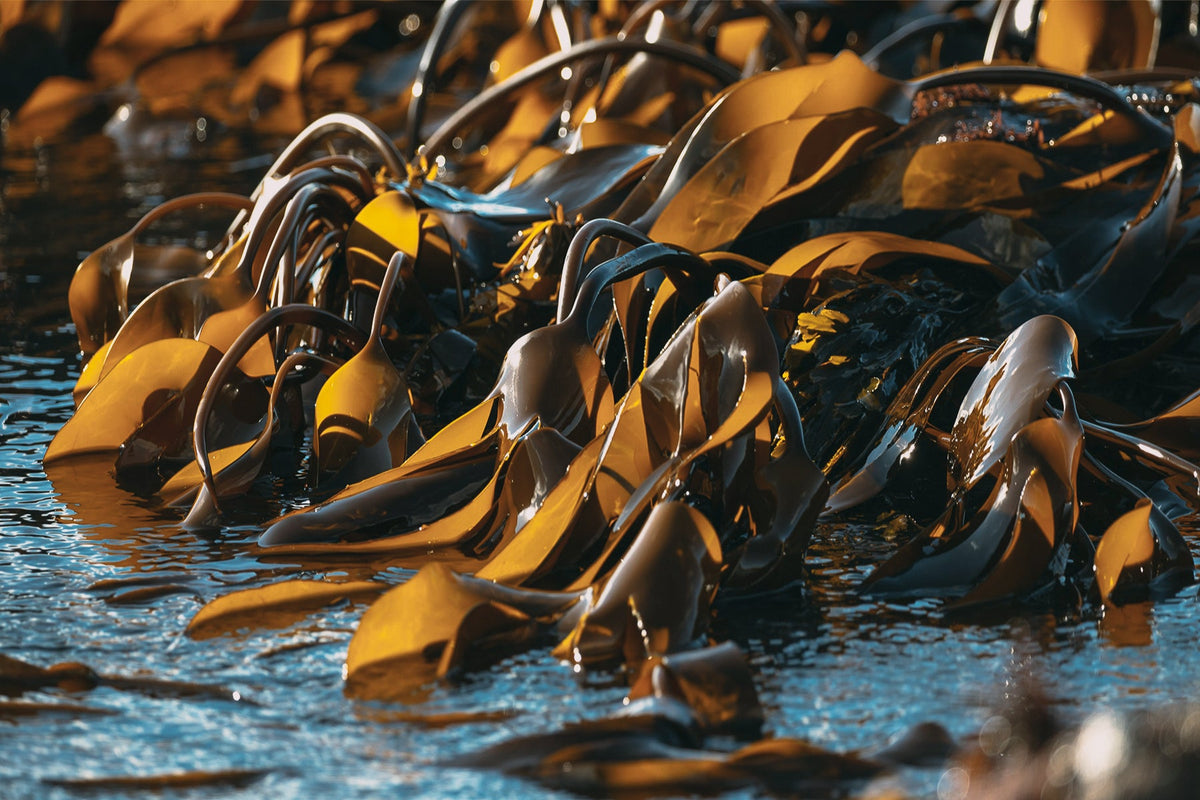
Imagine walking a familiar stretch of coast and learning that it once had a forest running alongside it. Off Sussex, just east of Hampshire, that forest grew underwater. Kelp beds once stretched from Selsey to Shoreham-by-Sea. By 2019, the Sussex Wildlife Trust estimates that around 96 per cent of the historic kelp had disappeared.
Kelp needs light and a firm surface to cling to. Bottom trawling can tear up or damage habitat. Sediment stirred up at sea or washed down from land can cloud the water and settle over the rock where young kelp would grow. Marine heatwaves add another pressure, and recovery after disturbance can be slower in warmer waters.
When the forest thins, young fish lose hiding places, small animals lose feeding grounds, and there’s less living structure to slow the water. The coast can look exactly the same from the beach while life below the surface changes profoundly.
In 2021, Sussex closed more than 300 square kilometres of seabed to bottom trawling, giving kelp a chance to return. The question I keep coming back to in my own work is what happens after the first fronds reappear. When do small fish start using them? How much cover makes a difference? Those are the signs I’d look for when asking whether a patch of kelp is becoming a nursery again.
That’s part of what Clare and I love about this coast. There’s always more going on beneath the surface than you can see from the shore.
Leave a comment
This site is protected by hCaptcha and the hCaptcha Privacy Policy and Terms of Service apply.